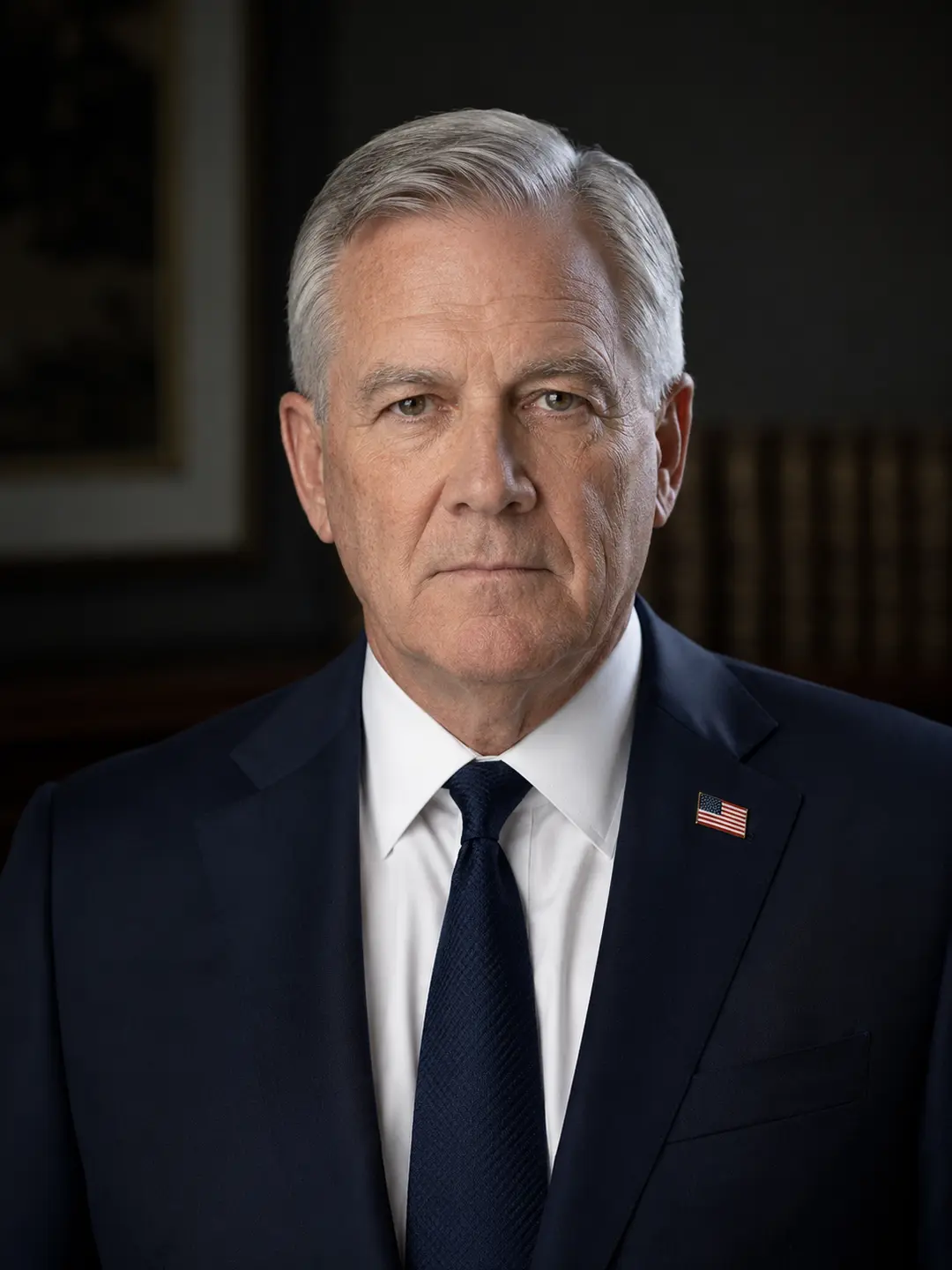
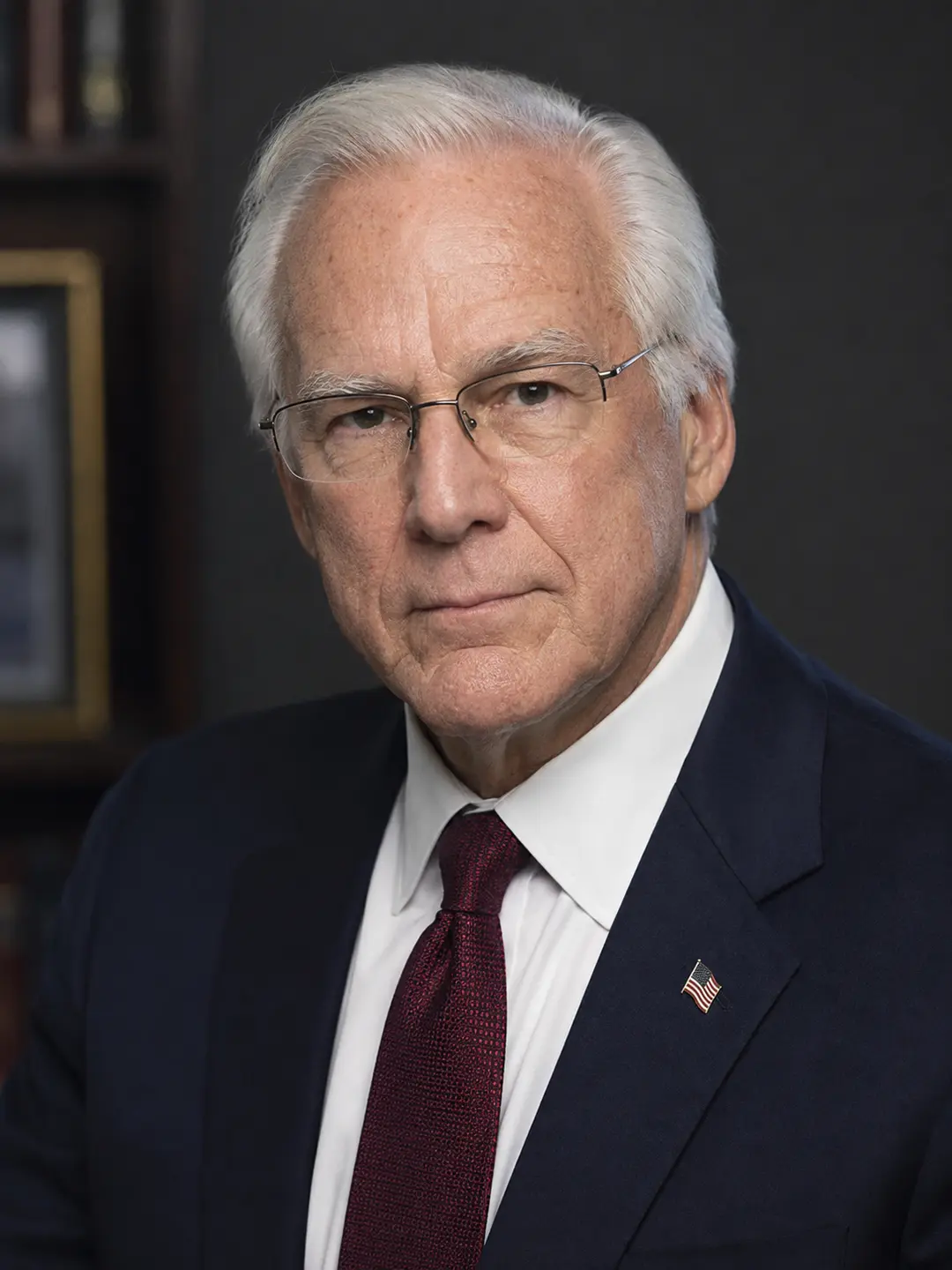
Senior judgment for consequential decisions.
Robert J. Hayes advises on government enforcement, congressional oversight, FARA and national-security policy affecting terror finance. Before private practice, he spent two decades as chief counsel and senior counsel to Senate Banking and Intelligence Committee work. He understands how a request that begins as a policy inquiry can develop into testimony, compulsory process, public reporting or a referral, and why government-affairs communications must remain aligned with the legal defense.
Robert develops an agency and stakeholder map, establishes what each forum can request, and coordinates a common factual record. He prepares executives and subject-matter experts for briefings, interviews and testimony; reviews document productions and written responses; and tests public assertions against evidence. FARA analysis is integrated when foreign-principal relationships, political activity or public communications are implicated. Legislative or humanitarian-policy work is framed around operational facts rather than slogans.
Policy engagement is most credible when it is anchored to the same facts that will withstand a regulator, prosecutor or congressional record.
How Robert works
Robert’s role is not to turn a legal matter into a public campaign. He helps clients decide what must be said, what can responsibly be said and what should remain within privileged channels. When Congress, agencies, banks, donors or partners ask overlapping questions, he helps the team maintain consistency without using one audience’s language in a way that creates unintended consequences elsewhere. The result is advocacy that is accurate, restrained and connected to the client’s long-term position.
Every matter begins with a defined scope, conflicts clearance and an agreed communications protocol. The team identifies urgent deadlines, relevant agencies, custodians, systems and jurisdictions. Confirmed facts are separated from reasonable inferences and open questions. That distinction is maintained in board materials, government submissions and internal work product so the client can make decisions without confusing an investigative lead with a legal conclusion.
Robert works closely with the firm’s defense, compliance, sanctions and policy leads. This integrated approach is important because one fact may be viewed differently under the material-support statutes, the Bank Secrecy Act, OFAC authorities, a contractual risk standard or a foreign-law restriction. Workstreams are coordinated, while privilege, professional duties and local-law responsibilities remain clear.
Focus areas
- Congressional inquiries, testimony preparation, document requests and committee briefings
- Government affairs involving CTF policy, sanctions authorities and humanitarian access
- FARA analysis for foreign-principal relationships and public-facing activity
- Coordination of oversight responses with DOJ, OFAC, FinCEN and regulatory matters
- Board, executive and stakeholder communications during high-profile investigations
Representative experience
Representative experience includes urgent response to government process; privileged reviews of transactions, communications and control decisions; preparation of witnesses and decision-makers; and development of clear submissions for prosecutors, regulators, sanctions authorities, boards and counterparties. Client confidentiality is maintained throughout every engagement, and prior experience does not guarantee a future result.
A matter may begin when a client receives parallel questions from a financial institution and government authority. Robert would organize the request set, preserve the evidence, identify the governing legal standards and develop a sequenced response. Where technical analytics, foreign law or specialized accounting is required, he defines the question and integrates qualified experts or local counsel into the legal work plan.
A related assignment may begin when an institution discovers a control weakness while reviewing a terrorism-related alert. The immediate work is to understand the transaction and prevent avoidable harm; the longer work is to determine scope, root cause, reporting implications and sustainable remediation. Legal defense and compliance improvement are coordinated so the record is accurate and the organization can demonstrate what changed.
Education and professional background
Education: Georgetown University Law Center, J.D. Prior public service: Two decades in senior counsel and chief counsel roles supporting Senate Banking and Senate Intelligence Committee work. Professional focus: Congressional oversight, FARA, government affairs and national-security policy.
For an engagement inquiry, use the firm’s central confidential intake page. Individual contact numbers are not published. Do not send classified information, suspicious activity reports, privileged files or sensitive identity documents before the firm confirms an engagement and provides transfer instructions.