

Senior team
Attorneys
Two partners and eight senior attorneys with experience in federal prosecution, Treasury, financial regulation, congressional oversight, cyber investigations, transactions and international trade.
Senior-led from Washington, D.C. Matters are staffed around the legal issue, operating facts and government forums involved.

Senior-led by design
Distinct experience, one coordinated standard.
The firm’s lawyers do not operate as disconnected names on a list. Each brings a defined area of judgment, and each matter has a senior lead responsible for decisions, evidence and communication.
The expanded team now includes litigation, corporate, cybersecurity and international-trade lawyers alongside the established terrorism-finance, sanctions, compliance, enforcement and government-affairs practice. That range matters because high-consequence legal problems often cross from one discipline into another before the client has time to reorganize its advisers.
Biographical information is detailed on each individual profile. The profiles explain working approach, focus areas, representative issue types and credentials. Individual telephone numbers are intentionally not published; all prospective engagements begin with a central conflicts and urgency review.
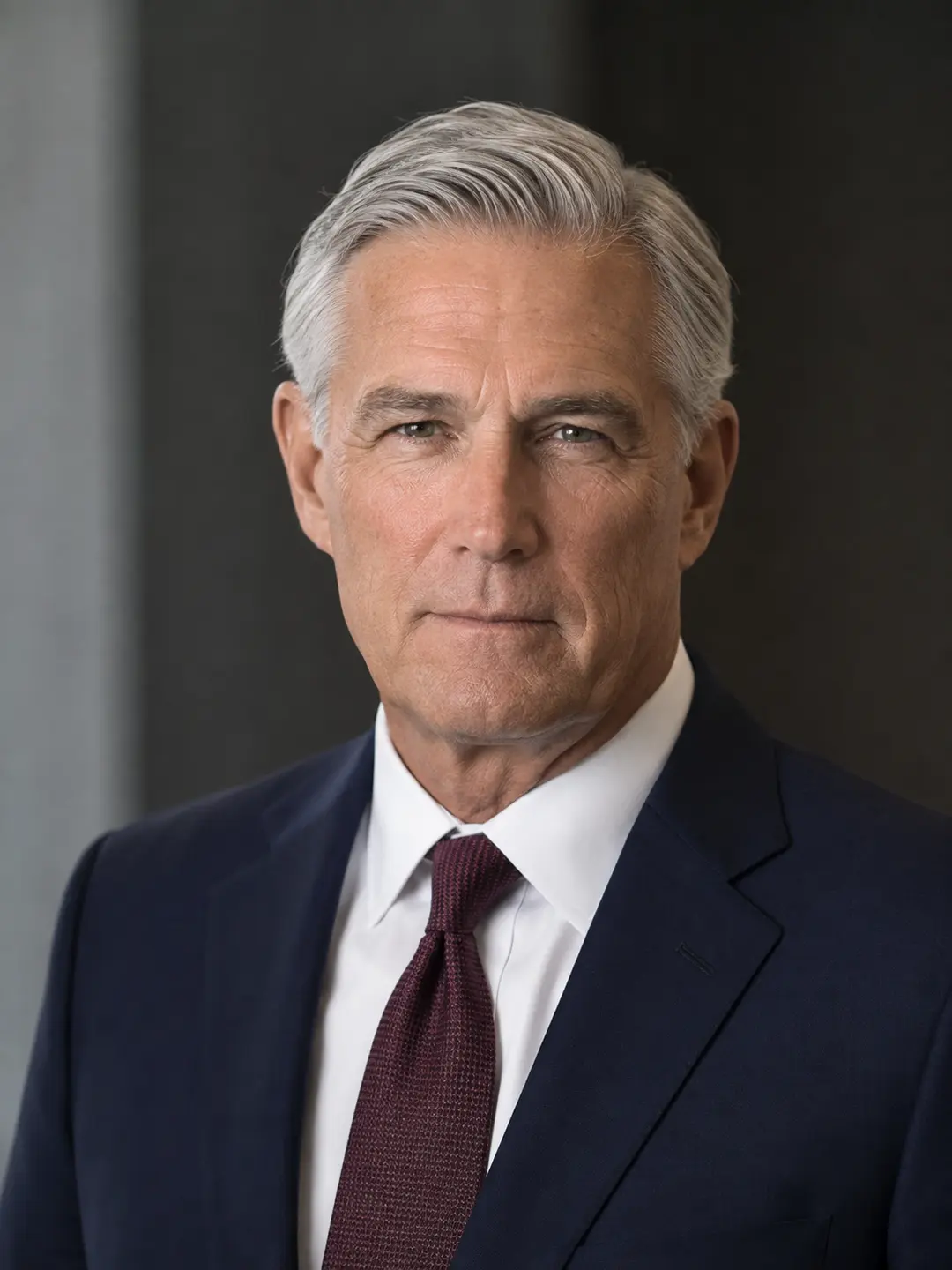




Senior Attorney
Charles H. Bennett
Complex Litigation, Asset Forfeiture & Cross-Border Disputes
Detailed biography


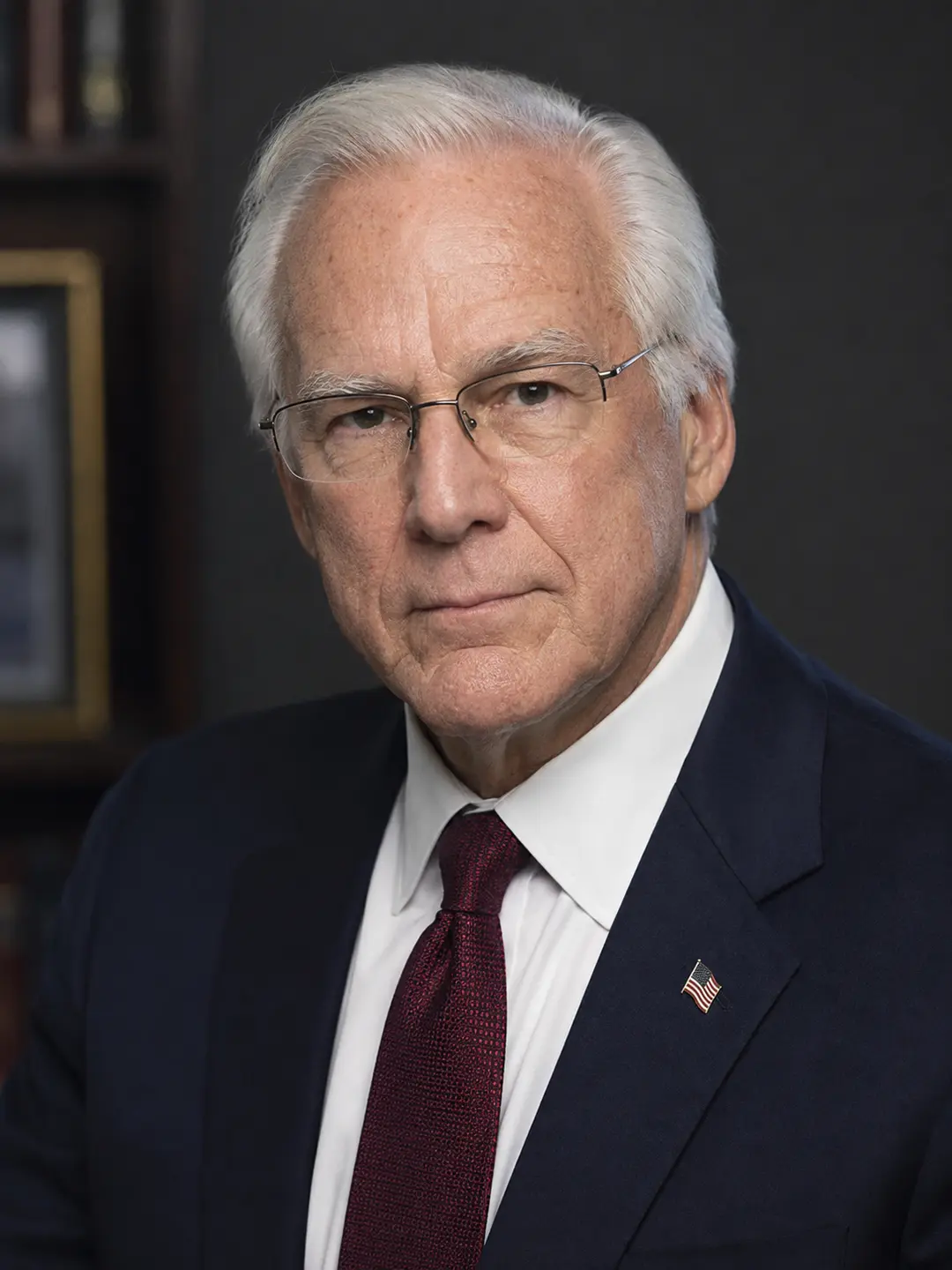
Senior Attorney
William R. Douglas
International Trade, Export Controls & National Security
Detailed biographyHow teams are assembled
One senior lead. The right supporting disciplines.
Staffing begins with the legal decision and factual record—not an org chart.
A material-support investigation may require financial records, sanctions history, international evidence and litigation strategy. A fintech transaction may need corporate, regulatory, cyber and AML/CFT review. A cyber incident may create workforce, privacy, sanctions and law-enforcement questions. The responsible partner identifies those dependencies early and establishes clear roles.
Outside forensic specialists and qualified local counsel are used when their contribution is necessary. Their questions, reporting lines and work product are integrated into the legal plan. The client receives a consolidated view of exposure and next decisions.



Practice directory
An expanded team for connected business and government risk.
The firm’s core remains financial crime, terrorism finance, sanctions and national-security enforcement. These additional practices address the disputes, transactions, data, workforce and asset questions that often arise from the same facts.
Each page below is a complete practice resource with scope, services, client groups, working method, selected capabilities and the senior lawyers responsible for the work.
01
Litigation and Dispute Resolution
Federal litigation, internal investigations, emergency relief, financial evidence and cross-border dispute strategy.
02
Corporate and Commercial Transactions
Regulated transactions, fintech partnerships, diligence, allocation of sanctions risk and post-closing control integration.
03
Financial Crimes, AML and Sanctions
Terrorism finance, AML/CFT, material support, OFAC, FinCEN, the BSA and complex financial investigations.
04
Regulatory and Government Enforcement
Coordinated response to DOJ, FBI, Treasury, FinCEN, prudential regulators and parallel congressional scrutiny.
05
Government Affairs and Lobbying
Congressional investigations, FARA, public policy, agency engagement and carefully aligned legislative strategy.
06
Intellectual Property
IP ownership, licensing, digital evidence, brand protection and technology rights in regulated or high-risk transactions.
07
Cybersecurity and Data Privacy
Incident response, cyber investigations, privacy, breach obligations, data governance and regulatory coordination.
08
National Security and International Trade
Export controls, CFIUS, sanctions, trade compliance, foreign investment and national-security review.
09
Employment and Workforce Matters
Sensitive investigations, compliance leadership, executive risk, whistleblowers and regulated workforce response.
10
Real Estate, Tax and Private Client
Asset tracing, beneficial ownership, complex structures, sensitive property transactions and private-client risk.